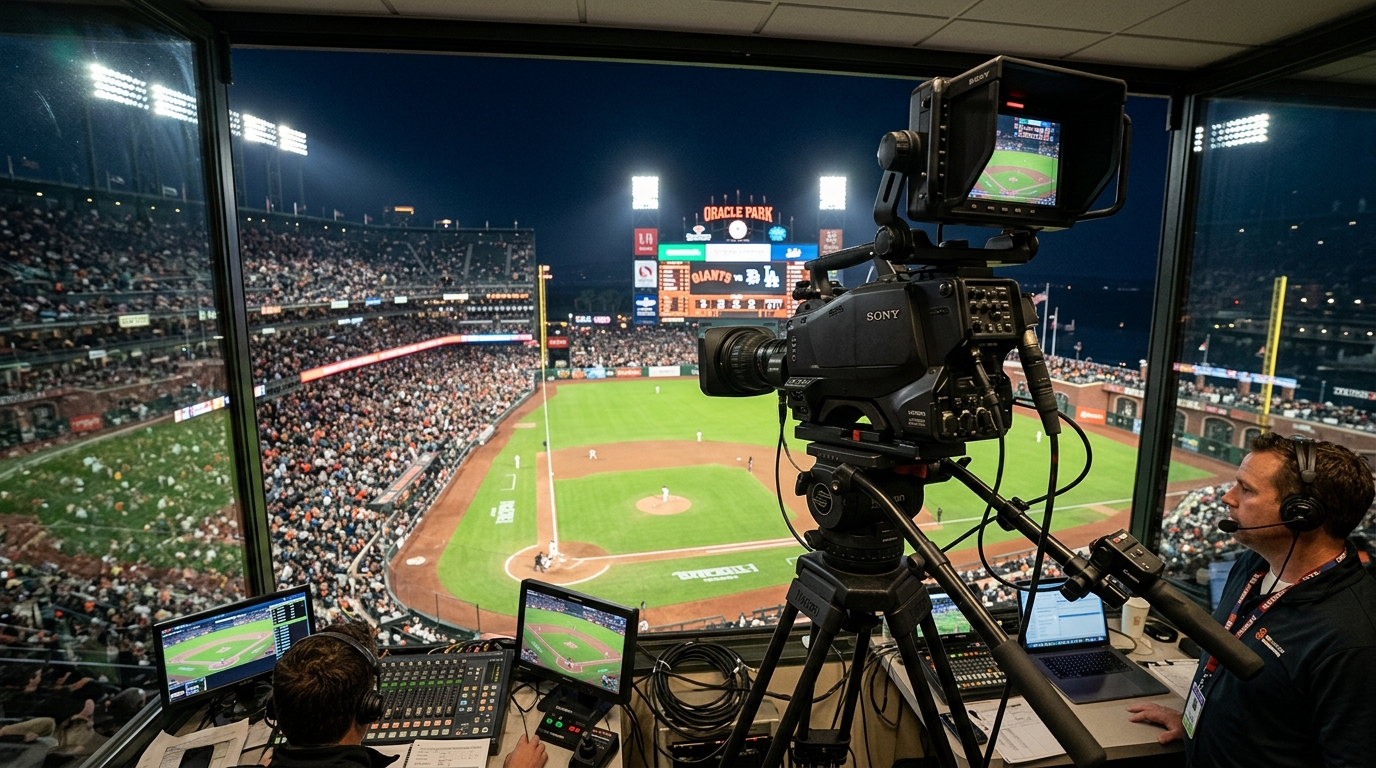
The Structure of Modern Baseball Media Rights
Major League Baseball distributes media rights through a dual system consisting of national television agreements and regional network contracts. National networks broadcast marquee matchups on specific days, while regional sports networks (RSNs) produce daily coverage for individual franchises.
The Decline of Traditional Cable Bundles
Over the past decade, cable television subscriptions decreased substantially as consumers adopted internet media services. Because regional networks depend heavily on carriage fees from cable providers, decreasing subscriber numbers create financial pressure across baseball broadcasting.
Direct-to-Consumer Transition Challenges
Several franchises now develop standalone direct-to-consumer digital applications. However, standalone subscriptions often charge high monthly fees and still maintain restrictive blackout rules for national games, leaving fans fragmented across multiple services.
How Digital Aggregators Fill the Coverage Gap
Online sports directories index available broadcast channels from national networks, visiting team booths, and regional sports networks in a unified interface. This arrangement eliminates the need for viewers to maintain dozens of separate subscription accounts.
Future Outlook for Baseball Broadcasting
As leagues modernize distribution agreements, open sports indexing directories will remain essential resources for baseball supporters seeking direct access to live diamond schedules.
Follow Live MLB Baseball Matches Today
Check out today's complete schedule of Major League Baseball fixtures and live score updates on the MLBBite homepage.
View Today's Game Schedule